Before the Tinsel Hits the Bench: A 2026 Pre-Christmas Workroom Tune-Up for UK Florists

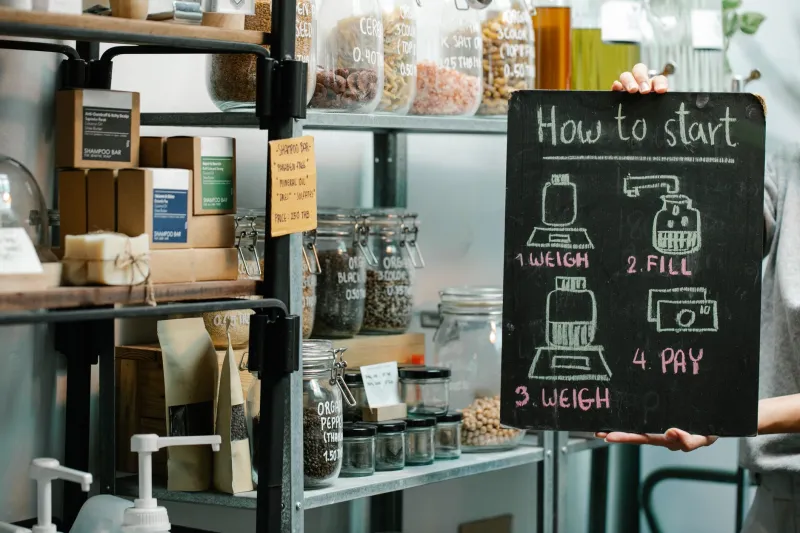
Photo: UK florist workroom bench with buckets kraft paper LED task light, via upload.wikimedia.org
Early November is the calm before the carnage. Wreath orders are starting to land, the diary is filling up, and the workroom already feels colder than it did in October. Before the 2026 Christmas rush properly begins, spend half a day auditing the place where money quietly leaks: heating, lighting, water, packaging and bench waste. This is not about buying a load of new kit. It is about finding the small, boring changes that pay for themselves before the first poinsettia leaves the shop.
Start with a walk-through, not a spreadsheet
Walk the workroom at three points in the day: opening, midday and closing. Note the thermostat setting, which doors are propped open, which lights are on in empty corners, whether taps are dripping and what is actually in the bins. Ask whoever conditions flowers and whoever packs orders to walk with you. They will spot the daft stuff you have stopped seeing, like the back door wedged open beside the radiator or the strip light left on over the sink.
Heating is usually the biggest bill in a UK shop workroom, and florists often overheat the space because hands are cold and flowers need to be kept cool. Those two things can coexist. Set a sensible staff temperature, use timers, and keep storage and flower fridges separate from the bench area. Draught-proofing a back door and adding a decent door sweep can cost less than a few bouquets and make the bench bearable without turning the thermostat up.
Lighting is the next easy win. Old halogen spots and tired fluorescent tubes are cheap to replace and expensive to run. Swap workroom bulbs for LEDs with a warm white colour temperature, add task lights over the bench, and fit simple timers or occupancy sensors in stockrooms. You do not need a lighting designer. You need to stop lighting an empty packing area for twelve hours a day.
Water matters more than many shops admit. Check for dripping taps, lag exposed pipes, and stop running the hot tap for every bucket rinse unless you genuinely need it. Keep a lid on water butts and use grey water for floor washing where it is safe to do so. None of this is glamorous, but a dripping tap over a busy December is money down the drain.
Where the fast payback usually sits
Every shop is different, and energy tariffs are still volatile, so treat any payback figure as a rough guide rather than a promise. The point is to rank changes by effort and return, then do the easy ones first.
| Change | Typical upfront cost | Likely payback | Watch-outs |
|---|---|---|---|
| LED bulbs in workroom and stockroom | £40 to £120 | 6 to 18 months | Check lumens and colour temperature, not just wattage |
| Draught-proofing back door and windows | £20 to £60 | Often within one season | Do not block fire exits or ventilation |
| Timer or programmable thermostat | £20 to £80 | Usually one season | Keep flower storage above freezing |
| Paper tape and recyclable boxes | Low | Immediate on consumables | Test in damp conditions before a big order |
| Reusable delivery crates | £60 to £150 | 6 to 12 months | Label them and agree returns with drivers |
The packaging bin dive is worth doing properly. Tip one day of packaging onto a sheet and separate it into paper, card, soft plastic, compostable items and genuine rubbish. You will probably find that a lot of what you buy is there to protect the flowers, not to impress the customer. Reuse boxes where they are clean and dry, switch to paper tape, and keep a small stash of salvaged tissue and ribbon for workshop samples. If you buy compostable wrap, check what your local council actually accepts. Many kerbside collections do not take compostable film, and a bin full of hope is not a recycling scheme.
Bench waste is the sneaky one. Keep a two-week waste log: damaged stems, over-ordered seasonal lines, bouquets remade because of colour clashes, and flowers that died in the bucket. A simple tally sheet is enough. If you are throwing away the same line every week, the problem is ordering, not the bin.
Build a one-page audit sheet
You do not need a consultant. A single sheet with seven columns will do: area, what is happening now, change, cost, estimated annual saving, owner and deadline. Add rows for heating, lighting, water, packaging, bench waste and transport. Give each change an owner. An audit without a name next to it is just a nice list.
What not to do before Christmas
Do not rip out the heating system in November. Do not switch every bouquet to twine if your customers are paying for a premium finish. Do not bulk-buy compostable packaging without checking your council rules and your own storage conditions. And do not order extra eco consumables just because they are on offer. The greenest purchase is still the one you actually use.
Keep the audit alive
Book a January review now, while the Christmas rush is still theoretical. Compare the audit sheet with the actual bills and the actual bin. Then choose two changes to keep and one to drop. The best Christmas rush is the one you are not still paying for in February.