Deposit, Label, Repeat: A Borrow-and-Return Vessel Scheme That Survives a Busy Season
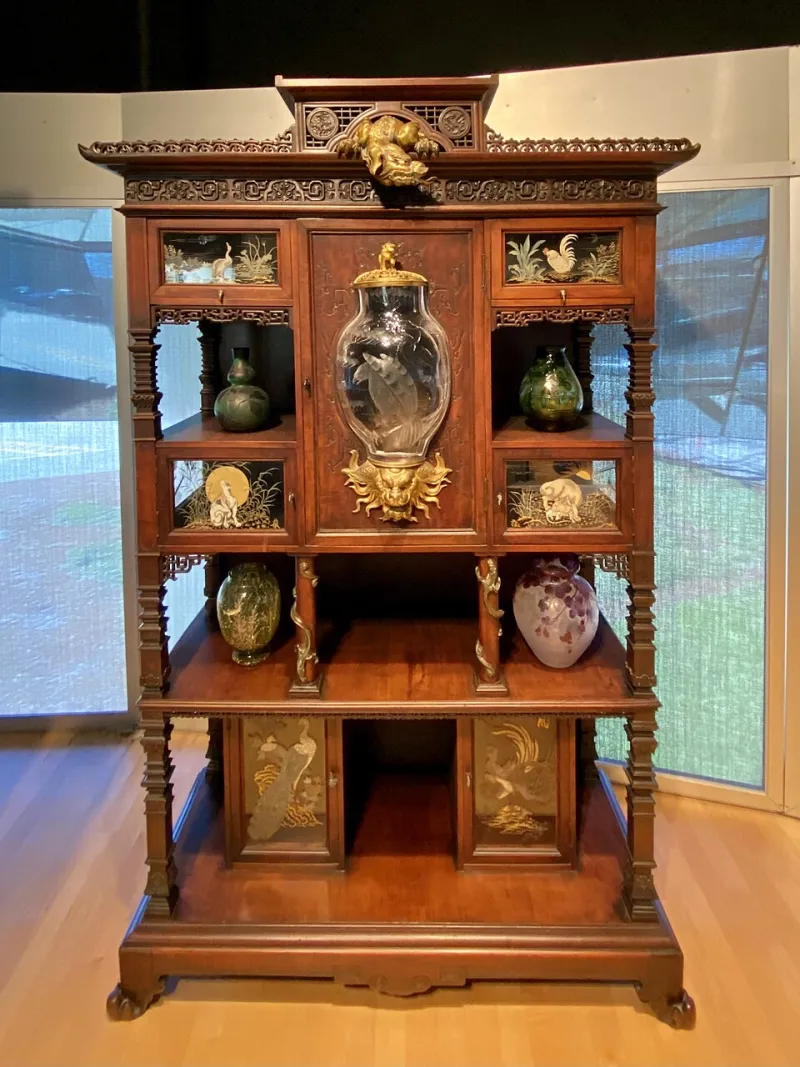
Photo: Andre Carrotflower, CC BY-SA 4.0, via Wikimedia Commons
Every florist has a shelf like this: a dozen vases with no owner, three crates carrying somebody else's label, and a nagging feeling that the borrow-and-return idea launched in spring has quietly become a donation scheme. The library model is a good one. It just dies in the admin, somewhere between the fourth Saturday wedding and the Monday invoice run.
So this isn't a pitch for going returnable — you've probably already decided that buying fewer vessels is the right call. This is about the plumbing: deposits, labels, tracking, washing, pricing and the awkward conversations, set up so the loop survives a busy season rather than a quiet one.
Fewer shapes, better loop
The single biggest predictor of whether a returnable scheme works is how few vessel types you stock. Every extra shape is another line on the log, another crate size, another thing a driver has to identify in a dark doorway at seven in the evening.
Pick three. A clear glass cylinder, a ribbed compote and a squat cube will cover most bouquet and table work — plus two crate sizes, standard and tall. Anything outside that set is a sale, not a loan, and gets marked as such at the point of order.
Loan or sale? Draw the line in writing
Two systems cause most of the confusion: vases you sold and vases you lent. Customers blur them, staff blur them, and by July nobody knows which is which.
Choose one rule and print it. The simplest workable version: anything leaving the shop with a delivery is a loan unless the customer has bought it outright on the order. Loans carry a deposit; sales don't. No exceptions for regulars — regulars are precisely the people who'll have twelve of your vases by December.
It's worth a five-minute call with your accountant on how deposits sit for VAT, because money that gets refunded isn't a sale while money that gets kept might be. Better confirmed than guessed.
Set the deposit at replacement cost, not retail
A deposit is not a price. It's the thing that makes returning easier than keeping. Set it at roughly what it costs to replace the item, rounded to something a customer can hand over without wincing: £6 for a cylinder, £12 for a compote, £20 for a crate.
Then decide whether you're also charging hire. Two clean options:
- Deposit only, refunded in full on return within 14 days. Easiest to explain, easiest to keep straight.
- Deposit plus a small hire fee per vessel per week. More accurate, more admin, more questions at the counter.
If you go deposit-only, fold the wear and tear into your delivery charge rather than inventing a separate line. It's one less thing to argue about.
Labels that do the work for you
Paper tags fall off. Marker pen rubs away. Anything written on masking tape is invisible by the time it comes home.
Etch or sticker: a laser-etched number on the base of glass, or a durable vinyl asset label carrying a number, your shop name and a phone number. Colour-code by size — a dot of paint on the base is enough — so a driver can sort a van-load without reading anything. Crates get a stencil and a number, painted on the side rather than the lid.
One extra that costs nothing: a return-by date on the delivery note, not just the asset number.
Tracking: a clipboard beats software, until it doesn't
Under roughly 150 items out at once, a decent paper log wins. A5, one line per loan: asset number, customer, order number, date out, return-by date, deposit taken, returned yes or no. Keep it on a clipboard by the door, and take a photo of each completed order on the shop phone — that's your audit trail, and it takes four seconds.
Move to a spreadsheet, or to the extras field in your booking system, once you're past that volume or two people need to update it at the same time. Whatever you use, reconcile it on the same morning each week and chase anything past its date that same day, while it's still small.
The wash-up routine
Returns come back wet, and wet is where the smell starts.
Set a fixed station: a wash sink, a rinse sink, a draining rack and a drying area where glass spends at least 24 hours upside down. Mild detergent, a bottle brush for cylinders, no bleach on coloured glass, glass polish on the outside only. Crates get scrubbed with a stiff brush and stacked on their sides to dry. Retire chipped pieces to shop use immediately — a chip is how somebody cuts a hand on a Tuesday morning.
Water left sitting in a returned vase is the enemy: algae, smell, and a vessel nobody wants to hand to a wedding client.
Pricing so returning feels like the obvious choice
The maths that works is boring: make returning cheaper and easier than not returning.
A 14-day free window, after which the deposit converts to credit or a hire fee kicks in, is a compromise most customers understand. Refund promptly, in the same way they paid, and say so in writing. If you want an incentive, a small credit-note bonus for returns inside seven days works better than a penalty for late ones — people respond to a reward, and you keep the goodwill.
The scripts, honestly
At the counter: “The vases come on loan — £6 deposit each, refunded when they come back. Anything back within a fortnight, no charge. If you'd rather keep them, that's fine too; the deposit covers it.”
In the order confirmation: “Your delivery includes six loan vases. These stay ours — we'll collect them on your next delivery, or drop them into the shop within 14 days for a full refund of the £36 deposit.”
The day-10 chase: “Quick one — you've got four of our compotes from the 12th. No rush if they're still in use, just let us know either way so we can plan stock.”
Where it goes wrong
Drivers forget crates on the van. Wedding planners quietly hoard vessels across a whole season of events. February arrives and half your stock is with people who meant to drop it in. None of that is a reason to abandon the scheme; it's a reason to keep the log honest, the deposits simple and the chase friendly but regular. Build a returns run into your existing delivery days and the whole thing stops feeling like a separate job — which is the only way a small shop keeps it up.