Hands On, Waste Down: A Reusable Glove Plan for UK Florists
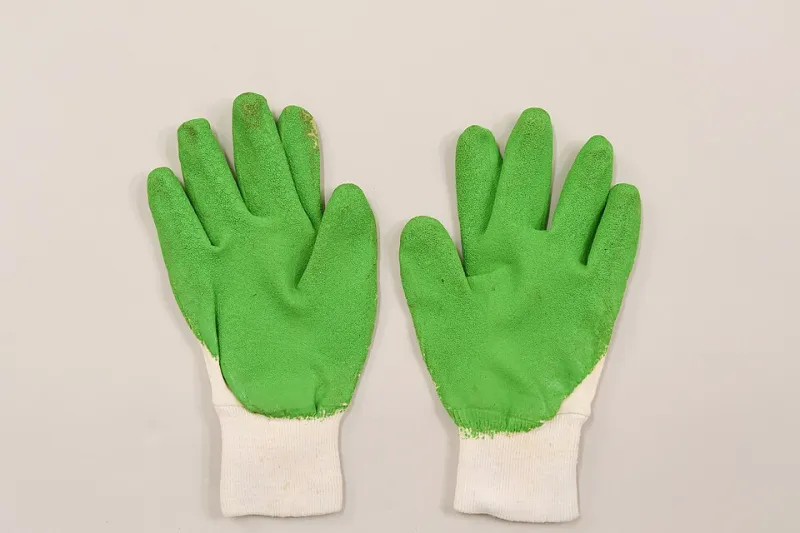
Photo: National Archives and Records Administration. Office of the Chief Operating Officer. Legislative Archives, Presidential Libraries, and Museum Services. Office of Presidential Libraries. Barack Obama Presidential Library. (2016), Public domain, via
Gloves are one of those workroom items that quietly pile up. A pair for stripping thorns, a pair for dyeing ribbon, a pair for a quick delivery, another pair because the first went missing under a bucket. Before long, the bin is full of thin blue sleeves and nobody is quite sure what was actually needed. The answer is not to swear off disposable PPE altogether. It is to be a bit more deliberate about which gloves you buy, how you rotate them and when you let them go.
Start with the job, not the glove
A florist’s hands do very different work in the same shift. Conditioning roses is a thorn job. Wiring and taping is a dexterity job. Dyeing, cleaning and handling flower food are wet jobs. Deliveries and market runs need grip. One glove cannot do all of that well, and pretending otherwise usually means buying a compromise glove that feels awful and gets discarded early.
A useful starting point is a simple task map for your own bench. List the jobs where gloves are genuinely needed, then note what each job demands: puncture resistance, fingertip feel, grip in wet conditions, cuff length, breathability. In many UK shops, the list looks something like this:
- Thorny conditioning: thorn-resistant garden gloves with a reinforced palm and enough flexibility to hold a stem without crushing it.
- Bouquet assembly and wiring: close-fitting washable nitrile or thin coated knit gloves for feel and control.
- Dye, cleaning and wet work: a longer cuff and a coating that can cope with repeated washing.
- Deliveries and crates: a glove with a textured palm and a decent grip, especially in winter.
- Sleeves: useful for forearms when stripping foliage, cleaning buckets or handling dyed materials.
That map immediately shows why a single box of disposables is a blunt instrument. You may still keep a small pack for messy one-offs, but most routine jobs can be covered by a smaller kit of reusable pairs.
What to look for on the label
Washable nitrile gloves are the obvious first swap for light handling. Look for a pair that is genuinely designed for repeat washing, not just a thicker disposable. Seamless knit gloves with a nitrile palm coating are another good workhorse: they breathe better than fully coated gloves, offer reasonable grip and tend to survive more cycles. For thorn work, a garden glove with a reinforced palm, flexible back and snug wrist is more sensible than layering two disposable gloves and hoping for the best.
Protective sleeves are underrated. A pair of washable sleeves can save forearms from scratches, dye splashes and wet bucket edges, and they are often easier to repair or replace than a whole glove. Check whether the sleeve has a thumb loop or elasticated top so it stays put while you work.
Grip and dexterity are the trade-off. A glove that grips beautifully in wet conditions may be too bulky for delicate wiring. A thin glove with excellent feel may not last long on thorny stems. That is why the trial matters more than the marketing copy.
A small workroom trial that actually tells you something
You do not need a laboratory. You need four weeks, a marker pen and a bit of honesty. Start with two or three candidate pairs and put them through the jobs you actually do.
- Mark each pair. Put a code on the cuff with a laundry marker — A, B, C or a colour dot. Keep a note of the date they entered service.
- Assign them by task, not by person. Pair A might live by the conditioning bucket for thorn work. Pair B stays at the bouquet bench. Pair C goes in the delivery crate. This stops one pair being used for everything and gives you a clearer read on wear.
- Rotate after each shift. Hang them to air rather than stuffing them damp into a drawer. If they are wet, rinse and dry them before the next use.
- Wash according to the maker’s instructions. Warm water, mild soap and no bleach is a good default, but check the label. Turn them inside out if the coating allows it. Avoid fabric softener, which can clog the grip.
- Dry properly. Air dry, away from direct heat. A radiator can stiffen coatings and shorten the glove’s life. Peg them by the cuff or lay them flat on a rack.
- Inspect weekly. Look for splits at the fingertips, coating peeling away from the knit, stretched cuffs and stiff palms. Retire the pair when it stops doing its job safely.
At the end of the trial, ask three questions. Did the glove survive the task? Did it feel good enough to wear for an hour? And would you actually reach for it again? A cheap pair that nobody wears is not a saving.
Washing without wrecking the coating
Most reusable work gloves fail because of how they are washed, not because of the job. Hot water, harsh detergent and tumble drying are the usual culprits. Keep the wash simple and consistent: a mild detergent, a short cycle if machine washing is allowed, and air drying. Wash dye gloves separately from light-coloured pairs, and do not leave them sitting wet in a bucket overnight.
It also helps to have a drying routine. A simple rail with clips, a small fan or a well-ventilated corner near the bench will do more for glove life than an expensive cleaning product. If your workroom is damp in winter, dry gloves before the next shift rather than putting them away clammy.
Repair, retire and be honest about end-of-life
Some gloves can be repaired at the cuff or a small seam, but most coated work gloves are not realistically repairable once the palm goes. The best end-of-life plan is a hierarchy: keep them for dirty jobs, then retire them responsibly. Check whether your local authority accepts work gloves in its trade waste or recycling route, and ask your supplier whether they operate a take-back scheme. Do not assume a nitrile glove is compostable just because it is reusable — it is not.
The greener choice is usually fewer, better-matched pairs that are washed and worn properly. That is a less satisfying headline than zero waste, but it is a more useful one for a working UK florist. Reusable gloves are not about being perfect. They are about cutting the pile of disposables without making the bench slower, soggier or more dangerous.
Start with one task this week. Mark a pair, give it a home and see how it performs. If it survives a busy Saturday and still feels right on Monday, you have found a keeper.