Ditching the Green Brick: Foam-Free Mechanics That Work in a UK Shop
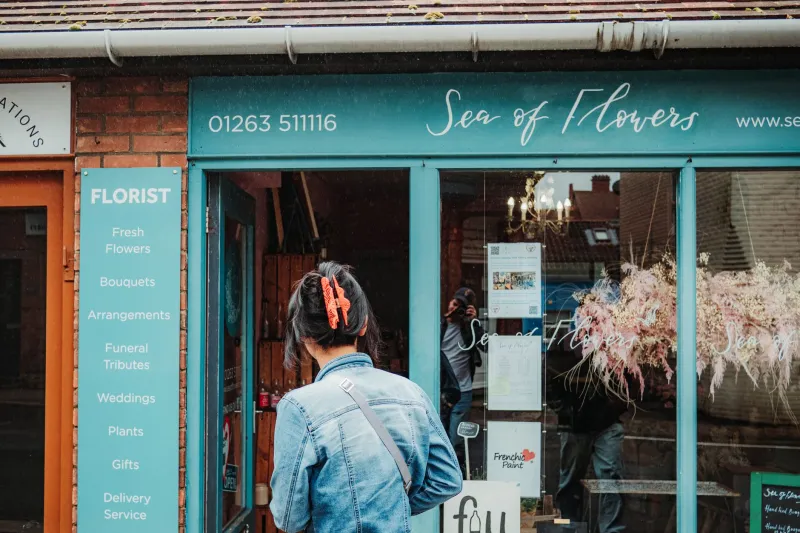
Walk into any UK wholesaler and you will still find the green brick. Walk into a forward-thinking florist's workroom and you are just as likely to see chicken wire, moss, twine and a box of pinholders. The move away from floral foam is not about being precious. It is about waste, handling and what happens to a design after the event. But foam-free mechanics have to earn their keep: if a mechanism collapses on a wedding arch or drips on a top table, it will not last in a working shop.
Why bother switching?
Floral foam is a single-use plastic. It crumbles, it does not compost, and it makes clean-down messier than it needs to be. The alternatives are not automatically perfect either. Some are reusable but made of plastic or metal. Some are compostable but need more skill to keep stems hydrated. The real win is a kit that is reusable, repairable and easy to separate at the end of a job.
For most UK shops, the switch is less about one wonder product and more about building a small mechanics system: wire, grids, moss, twine and pinholders. Learn what each one does well, and you can stop reaching for foam by habit.
The contenders at a glance
| Method | Best for | Performance notes | Typical UK cost | Compostable? | UK availability |
|---|---|---|---|---|---|
| Chicken wire | Medium to large vases, urns, arches | Holds stems at angles; reusable; wear gloves | £6 to £12 per roll | No, but reusable metal | High: garden centres, hardware shops, wholesalers |
| Reusable grids | Vase arrangements, shop displays | Quick and clean; less control with heavy stems | £8 to £25 | No, but reusable | Medium: florist suppliers and online |
| Moss | Domes, table runners, woodland designs | Natural look; needs a hidden water source; check sourcing | £4 to £8 per bag | Yes, if untreated | Medium: specialist moss suppliers and wholesalers |
| Natural bindings | Garlands, hand-tied work, installations | Twine, raffia and jute are compostable but not load-bearing alone | £3 to £10 per roll | Yes | High: craft shops, florist suppliers, online |
| Pinholders | Centrepieces, heavy stems, branches | Excellent control; reusable; needs a waterproof dish | £3 to £15 each | No, but reusable | High: florist suppliers and garden centres |
Prices vary with quantity and quality, but the pattern is consistent: the reusable kit costs more upfront and less over a season. A roll of chicken wire will survive dozens of jobs. A pinholder can last years if it is dried properly. Moss and twine are consumables, but they can go into compost rather than landfill.
Chicken wire: the workhorse
Chicken wire is the closest thing to a direct foam replacement for many vase and urn designs. It holds stems at angles, lets you rework an arrangement and does not shed crumbs.
- Wear gloves. Cut a length of wire roughly one and a half times the width of the vase opening.
- Scrunch it into a loose ball and tuck the sharp ends inward.
- Wedge the ball into a clean vase. Secure it with twine or waterproof tape if it shifts.
- Fill with water, then insert stems at 45-degree angles. The wire should support the stems, not crush them.
For urns, line the container with a waterproof inner bucket, build a wire cage over the rim and cover it with moss. Keep the water source inside the bucket, not in the moss.
Reusable grids and tape grids
Rigid grids, sometimes sold as egg-crate or florist grids, are cut to fit the vase opening and reused. They suit straight-stemmed flowers and quick shop displays. Tape grids, made with florist tape across the rim, are fast but use single-use tape. If you want a lower-waste shop, keep a set of rigid grids in common sizes and label them.
Grids are less forgiving with branches and heavy-headed blooms. Use them for volume, not for structural work.
Moss that behaves
Moss gives you the natural, garden-led look that foam cannot. It also needs respect. Buy from a supplier who can explain where it comes from, and avoid moss with plastic netting or dye. Soak it, squeeze it out and wrap it around a wire ball or tray. Tie with twine.
For table runners, use a shallow waterproof tray with soaked moss and hidden vials for stems. Moss alone will not hydrate a flower. For a moss dome, build a chicken wire ball, pack it with moss and insert stems through the moss into small water tubes or a hidden reservoir.
Spent moss can be composted if it is untreated and free of wire, tape and plastic. Keep a separate bin at clean-down so it does not end up in the general waste.
Pinholders and natural bindings
Pinholders are brilliant for centrepieces, heavy stems and branches. Fix the pinholder to a waterproof dish with florist putty, add water and push stems onto the pins. They are reusable, easy to clean and much more stable than foam for short, wide designs.
Natural bindings such as twine, raffia and jute are compostable and useful for garlands, hand-tied work and installations. They are not a structural base on their own. For arches and large installations, use a reusable metal frame and reusable cable ties, then hide the ties with moss or foliage. Check the load before it leaves the workroom.
Sourcing and shop practicalities
UK availability is better than many florists assume. Chicken wire and twine are easy to find at garden centres and hardware shops. Reusable grids, pinholders and florist putty come from trade wholesalers. Moss is more specialist, so ask your wholesaler about provenance and avoid the cheapest dyed product.
At Eco Flower Supplies we stock reusable grids, twine, pinholders and moss for shops that are building a foam-free kit. The practical advice is to buy a small set, label it and train everyone on clean-down. Wire and grids should be dried after use. Moss goes to compost. Metal and plastic go to separate recycling where your council accepts them.
Common mistakes
Overfilling chicken wire makes it hard to insert stems. Sharp edges tear stems and hands. Moss without a hidden water source looks good for an hour and then collapses. Heavy branches need mechanical support, not hope. And always test a design in the van before the wedding morning.
Foam-free work is a kit and a skill. Start with chicken wire and a reusable grid. Add moss and pinholders for the designs that need them. It will not feel identical to foam, but it will be reusable, compostable where possible and much cleaner at the end of the day.