Clean Enough to Trust: A Between-Jobs Hygiene Routine for Reusable Mechanics
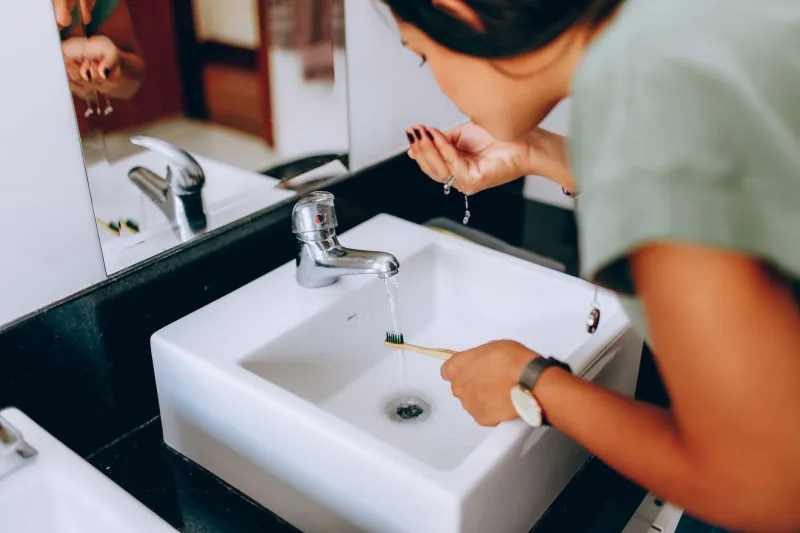
There is a slightly uncomfortable truth hiding in every box of reusable mechanics: the greener option is only greener if you actually clean it. A pin holder that has sat damp in a crate since Saturday, with a bit of leaf sludge in the spikes, is not a sustainable hero. It is a bacterial nursery that will meet your next batch of stems before you do.
We sell a lot of reusable kit, and we would rather you got fifteen years out of it than fifteen months. That comes down to what happens in the ten minutes between one job and the next. Below is the routine we recommend to UK workrooms — not a laboratory protocol, just a sensible one that survives a busy Friday.
Why the small stuff matters more than the bucket
Most florists clean buckets religiously and then let the pin holder fester. The difference is surface area. A bucket is smooth and drains; a pin holder has hundreds of tiny voids, a moss grid has a grid of crevices, and a reusable tray has corners where stem ends collect. Those are ideal places for biofilm — that slippery layer of bacteria and algae that water alone will not shift.
Biofilm is the enemy of vase life. It colonises stems below the waterline, blocks the xylem and produces the smell that customers politely ignore. Once it is established, a quick rinse does nothing. So the routine has to be about mechanical action, contact time and drying, in that order.
The three-stage routine: scrape, soak, dry
Stage one: scrape and empty. Get the stems, leaves and stem ends out before anything gets wet. Tip solids into the green waste, not the sink, so you are not washing leaf matter into your drains. A small silicone spatula and a nail brush deal with most of it.
Stage two: soak with the right thing. Hot water plus a mild detergent is fine for most plastic, glass and ceramic. For hard water areas — and that is most of the south-east and much of East Anglia — add a spoon of citric acid to dissolve the chalky limescale film that harbours bacteria. Avoid bleach unless you are confident about rinsing; it is aggressive on some plastics and on any metal parts.
Stage three: dry properly. This is the stage that gets skipped when the van is waiting. More on it below, because it is genuinely the one that decides whether your kit smells of nothing or smells of pond.
Rough soak times by material
These are starting points, not laws. Use the hottest water the material will tolerate.
- Plastic pin holders and trays: 10 to 15 minutes in hot soapy water, then scrub the spikes with a stiff brush. If there is visible algae, go to 30 minutes with citric acid.
- Glass and ceramic vessels: 15 to 20 minutes, then a bottle brush around the shoulder where the waterline sits. A denture tablet overnight works well on narrow-necked glass and is cheap.
- Metal pin holders and frogs: 10 minutes maximum in hot water, then dry immediately and thoroughly. Do not leave them soaking — rust is a one-way trip.
- Moss grids, wire mesh and reusable cage frames: 15 minutes, then a soft brush. Check the joints, which is where green gets a foothold.
- Silicone and rubber ties, reusable cable ties and clips: 10 minutes, then air dry fully before they go back in the drawer.
Water use without waste
You do not need a running tap. A two-basin method — one wash, one rinse — uses a fraction of the water and is faster once you get into the rhythm. A washing-up bowl inside a butler sink does the job nicely.
Save your soak water for the next round of the same category, and tip the final rinse onto the shop floor plants or the outdoor pots rather than down the drain. If you have a water butt, use it for the first cold rinse and save the hot water for the detergent stage. Small thing, but over a season it adds up.
Drying space is the bit people skip
Damp storage is where reusable kit quietly goes wrong. Trays stacked wet, pin holders tipped into a crate, moss grids piled on top of each other — that is a biofilm farm with the lid on.
Give yourself a drying station: a slatted rack, a wire shelf or a cheap dish drainer over a drip tray, positioned somewhere with airflow rather than in the corner behind the ribbon spools. Stand vessels upside down on a clean cloth so they drain. Lay pin holders spikes-up. Hang grids and mesh on a hook. If your workroom is cold and humid, a small fan on low for an hour is worth more than another rinse.
And the rule that matters: nothing goes back on the shelf unless it is bone dry. If it is still damp at the end of the day, it stays out overnight.
The checks that catch trouble early
Do a quick visual pass as each item comes out of the rinse:
- White bloom or slime on any surface means biofilm. Back in the soak.
- A sour or pondy smell means the rinse water is past it — change it, and check the drying area.
- Chalky white scale means hard water. Citric acid, and consider a filter jug for the final rinse if your area is very hard.
- Rust spots on metal means it is time to dry faster or retire the item.
- Cracks, chips and split seams are where bacteria hide and where kit fails mid-job. Retire early rather than lose a centrepiece.
Cross-contamination: the bits you cannot soak
Brushes, scrubbers and cloths move bacteria around more than the mechanics do. Keep a separate brush for buckets and a separate one for mechanics, and wash cloths hot at the end of the day rather than reusing a damp one all week. Do not share a rinse basin between dirty and clean items — that is just a bath for the bacteria.
If a vessel has held a job with heavy debris or is going to a wedding after a market stall, give it the full 30-minute soak. It is cheaper than a complaint about short-lived roses.
A weekly slot in the diary
Pick a quiet hour — Monday morning, or the last half hour of a Wednesday — and do a deep clean of the whole reusable stock: full soaks, a citric acid pass on everything with a waterline, and a proper dry in the sun if you have a yard. It is unglamorous work, but it is the difference between reusable kit that lasts and reusable kit you quietly stop trusting.
Reusable mechanics are only the greener choice when they are clean enough to do the job properly. Treat the routine as part of the mechanics, not an afterthought, and the kit — and the vase life — will look after itself.