Shade, Stack and Save: Off-Grid Cooling That Keeps Market Stems Happy
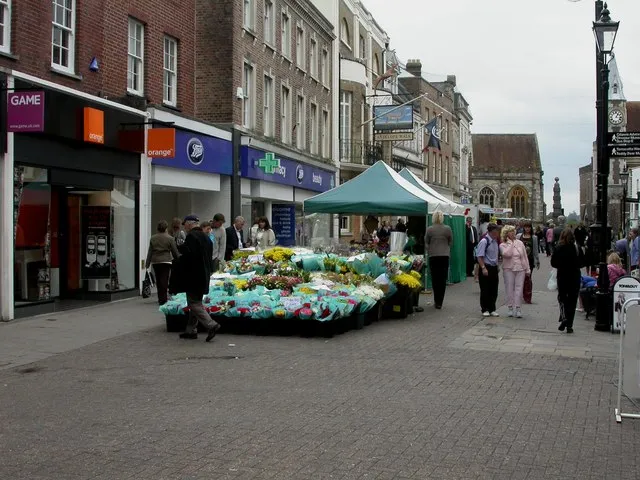
Photo: Mike Faherty, CC BY-SA 2.0, via Wikimedia Commons
Market day has a way of making a workroom feel like a distant luxury. You’ve got a pitch under a gazebo, a van parked twenty metres away and a forecast that keeps revising itself. The temptation is to buy a bag of ice and hope. A better plan is to think in layers: shade, insulation, airflow and a few reusable cold packs doing quiet work behind the scenes.
Passive cooling isn’t about making everything freezing. It’s about slowing the rise in temperature and keeping it steady. For most UK cut flowers, the aim is a shaded, humid, stable environment—not a mini freezer. Tropicals and delicate spring blooms will want different treatment, so check what you’re carrying before you pack.
Start With a Temperature Target, Not a Bag of Ice
A thermometer is the cheapest piece of cooling kit you’ll buy. Pop one in the cool box and one in the van. You’re looking for a steady reading that stays below ambient without plunging stems into fridge-level cold. Most floristry staples are happier in the cool range than in a hot marquee, but direct contact with frozen packs can bruise petals and blacken foliage.
Use a barrier—a folded towel, an insulated wrap or a layer of cardboard—between packs and produce. Keep blooms upright and out of water if they’re travelling dry, or use shallow hydration trays that won’t slosh around the van. The goal is to avoid dramatic swings. A box that starts cold, warms slowly and stays shaded will outperform a box that’s opened every ten minutes.
Build a Cool Box That Earns Its Keep
A good insulated box is a long-term investment, not a one-season purchase. Thick-walled, lidded and easy to wipe out is the brief. Pre-chill empty boxes in the workroom overnight, then load them just before departure. If you chill the box and the packs together, you’re not asking the packs to cool the box as well as the flowers.
Line the base with an insulated wrap or a clean wool blanket. Put phase-change packs at the sides and top, never directly on the blooms. Fill gaps with crumpled paper or reusable fabric offcuts so cold air has less space to move around. Label boxes by event, crop or colour so you’re not opening all of them to find the dahlias.
Treat your cool box as a reserve, not a display unit. Keep a small amount of stock out for customers and restock from the closed box as needed. Every time you lift the lid, you lose cold air. A second smaller box for the sales table is often smarter than one giant box that gets opened all day.
Phase-Change Packs: The Quiet Workhorse
Phase-change packs hold a set temperature for longer than water ice and don’t leave you with a puddle and a bin bag. They’re reusable, which makes them a sensible fit for florists trying to cut single-use waste. Keep two sets: one in the freezer, one in the van. Rotate them.
Freeze packs flat so they stack neatly. Wipe them dry before they go near packaging, and never let them sit directly against stems. If you’re working a long wedding setup, pack a spare set in a second insulated bag and swap them at the halfway point. A pack that’s already warmed up is just extra weight.
Don’t overpack. A box crammed with packs has no room for flowers and no air movement. You want a balanced load: insulation, a few packs, produce and a little breathing space.
Shade Is a Material, Not an Afterthought
On a market pitch, shade is your first cooling tool. Choose a spot that avoids the strongest afternoon sun, especially west-facing pitches that heat up later in the day. A white or reflective gazebo roof helps, and side walls can be opened or closed depending on airflow. If you’re using a parasol, check that it shades the boxes as well as the display.
At weddings and pop-ups, ask the venue where the sun lands. A church hall may be cool in the morning and stuffy by 3pm. A marquee can turn into a greenhouse. Position reserve boxes under tables, behind linen or in a shaded corner, and keep them off hot flooring. A light-coloured cotton sheet over a box is better than a black bin bag, which will trap heat.
Make Airflow Work With You
Airflow is useful, but only if it’s moving cool or neutral air rather than hot draughts. A small battery fan can help in a marquee, but don’t blow warm air directly over blooms. At a market stall, keep boxes vented enough to avoid condensation but not so open that warm air pours in. Wipe down lids and liners if they get damp; wet insulation loses efficiency.
In the van, park in shade where possible and use reflective window covers. Keep boxes off the floor and away from the engine bay. Open the doors briefly to load and unload, then close them again. A van that sits open in a car park is just a metal greenhouse.
A Pre-Event Checklist for 2026
- Check the forecast 48 hours and 24 hours ahead, using a local Met Office forecast rather than a generic app.
- Pre-chill cool boxes and freeze phase-change packs flat.
- Pack a thermometer, spare packs, insulated wraps and clean towels.
- Plan shade for the pitch or venue before you load the van.
- Keep a reserve box closed and labelled.
- Take reusable water containers for hydration, not bags of ice.
- Pack a small battery fan only if the venue genuinely needs it.
- Have a return plan for packs, boxes and wraps so they go back to the freezer, not the skip.
What Not to Do
Don’t use dry ice unless you know exactly what you’re doing—it’s dangerous and unnecessary for most floristry work. Don’t put flowers in direct contact with frozen packs. Don’t leave boxes in a hot van while you set up. Don’t rely on a generator for cooling when insulation, shade and a few packs will do the job. And don’t mistake condensation for freshness; damp packaging can encourage mould and waste.
Passive cooling is less about gadgets and more about planning. Buy good boxes, label your packs, learn where the shade falls and keep the lid closed. It’s a quieter, greener way to work away from the workroom—and it keeps your stems in better shape when the day gets warm.